© New Mobility Solutions Hamburg GmbH
© Shutterstock – Drazen Zigic
© Wiener Linien Sebastian Datzreite
Hamburg 2027 – Local Spotlights
While the UITP Summit covers the full spectrum of public transport, each edition highlights a limited number of Local Spotlights. These reflect key developments in the sector as well as the specific context, expertise and ambitions of the host city and region.
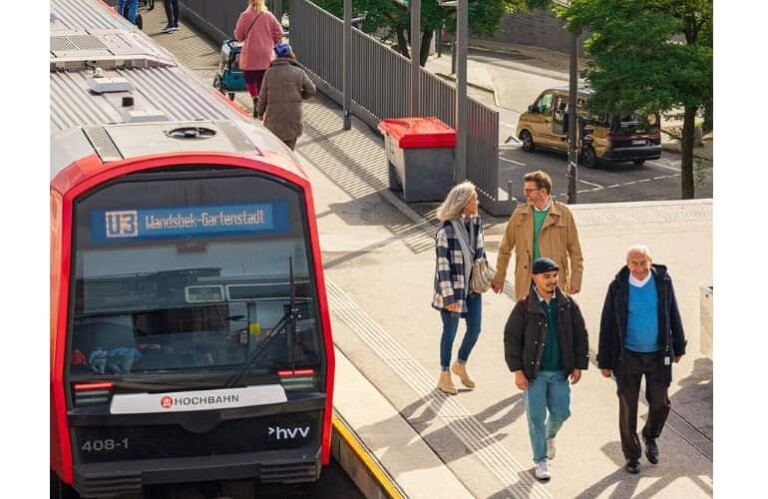
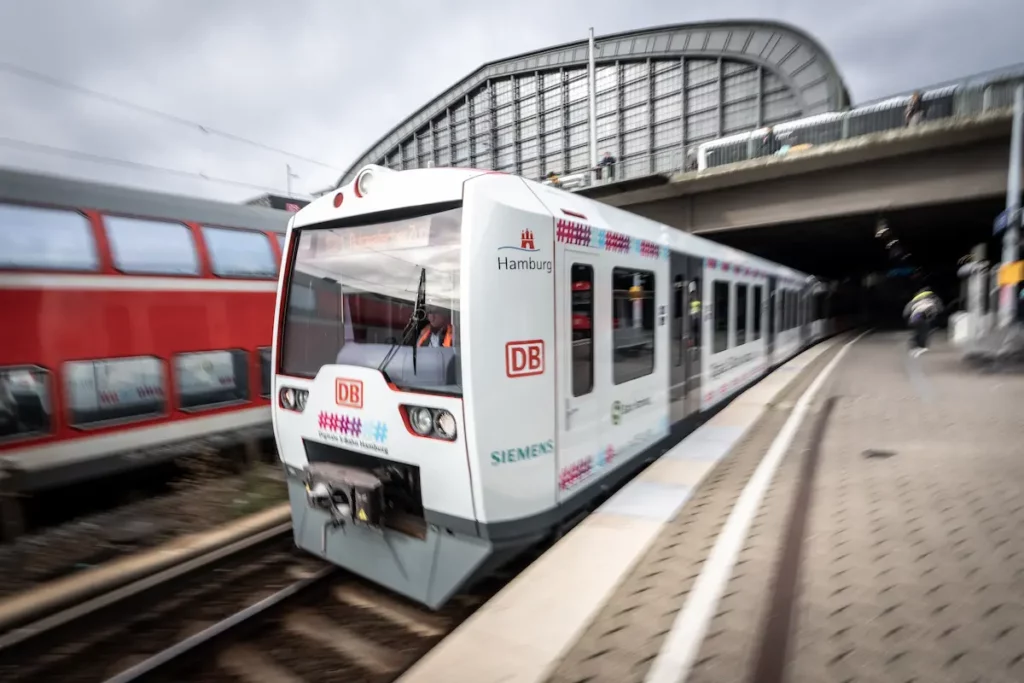
High-capacity and high-performing public transport systems can transform growing metropolitan areas into sustainable, connected, and economically vibrant cities. Rapid transit developments are on-going in Hamburg region to improve accessibility, reduce commute time as well as connecting new districts with the city centre. Hamburg’s new U5 metro line will be the city’s first fully automated line and one of Germany’s largest metro project, while the new S-BAHN line 4 will provide comfortable and reliable local transport in response to ever-increasing passenger numbers.
Leading the Way to Automated Mobility
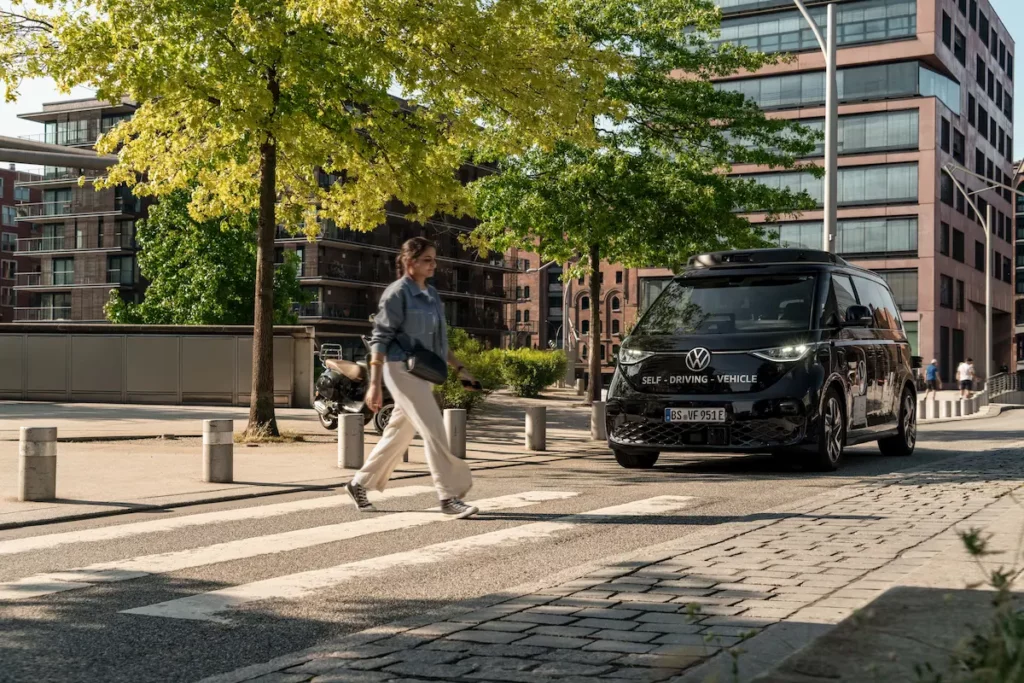
The rollout of automated vehicles is our sector’s next big step. When integrated into public transport systems, autonomous vehicles can transform the quality of public transport by increasing accessibility and optimising efficiency. The Free and Hanseatic City of Hamburg is already putting this into practice through the development of projects such as ALIKE and ahoi.
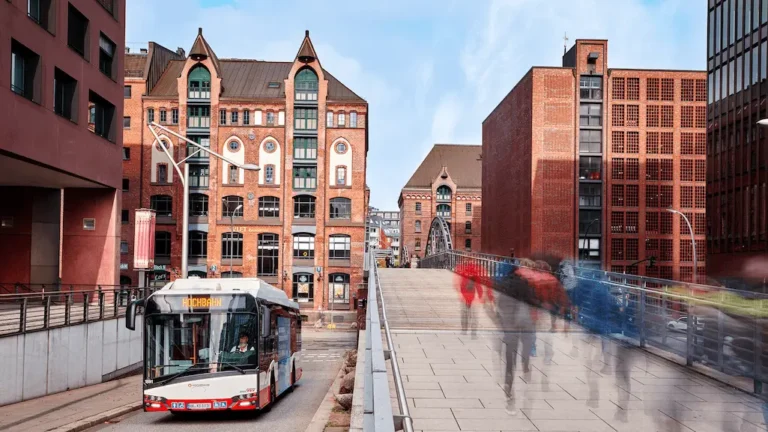
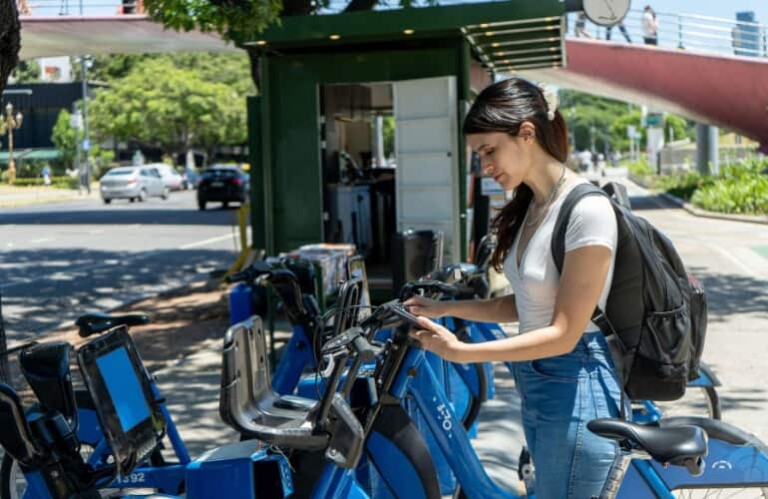
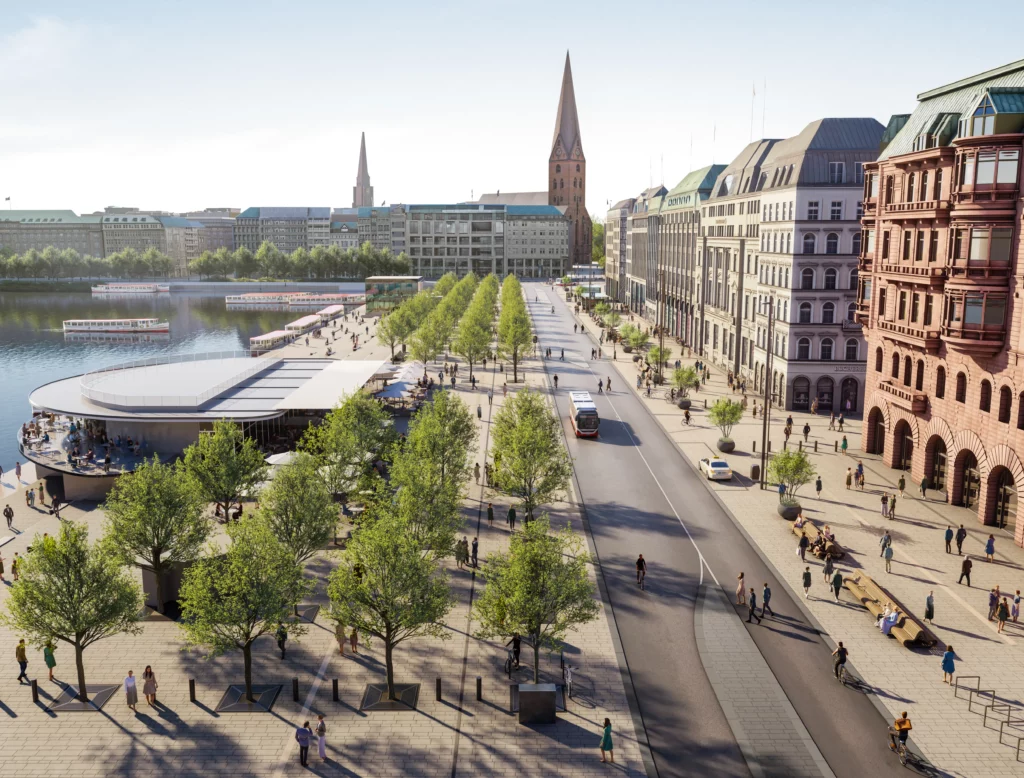
Putting people, their needs and experience at the centre of public transport can contribute to more inclusive and liveable urban spaces. Hamburg’s Inner City for All, hvv mia and hvv switch provide concrete examples of how technology, integrated mobility solutions and urban infrastructure can reduce car dependency and offer a broad, cohesive mix of mobility options.
A Vision for the Net Zero City
Public transport can accelerate the transition towards climate-neutral and more sustainable mobility, while supporting liveable and resilient cities. Hamburg’s Vision Net Zero 2040 and its Mobility Transition Strategy, including the expansion of public transport, alternative drives and integrated mobility planning, provide a concrete framework for this ambition.
Share Your Expertise at the UITP Summit
Help shape the conversation in Hamburg by sharing your experience, insights and ideas with the global public transport community.
Submit an Abstract