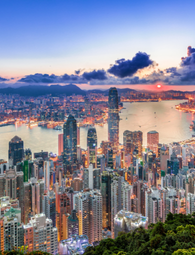
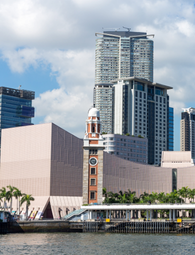
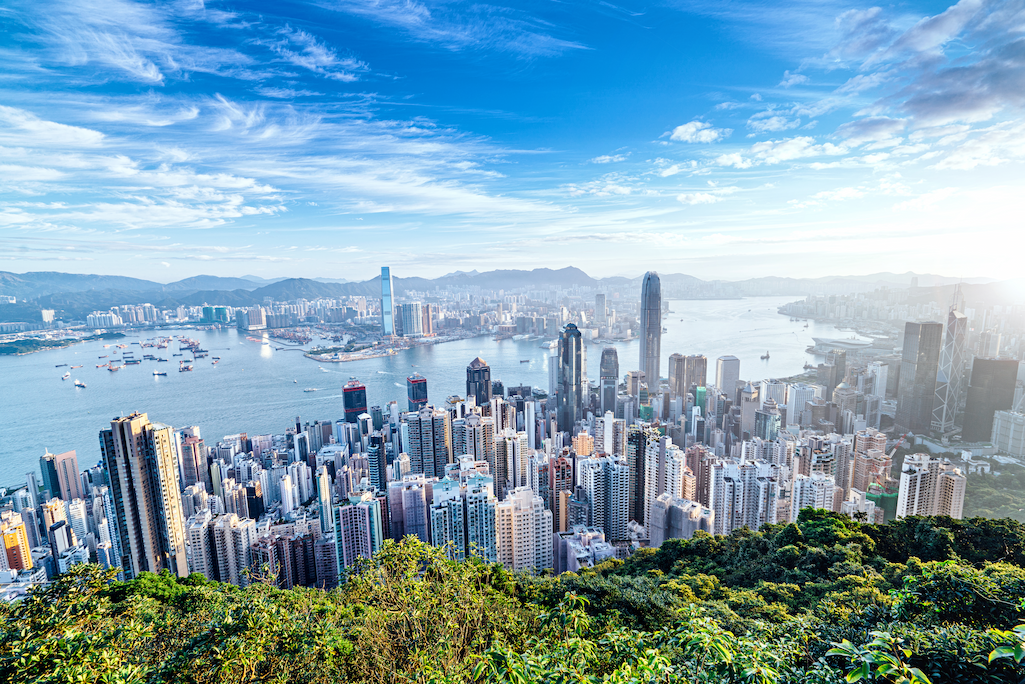
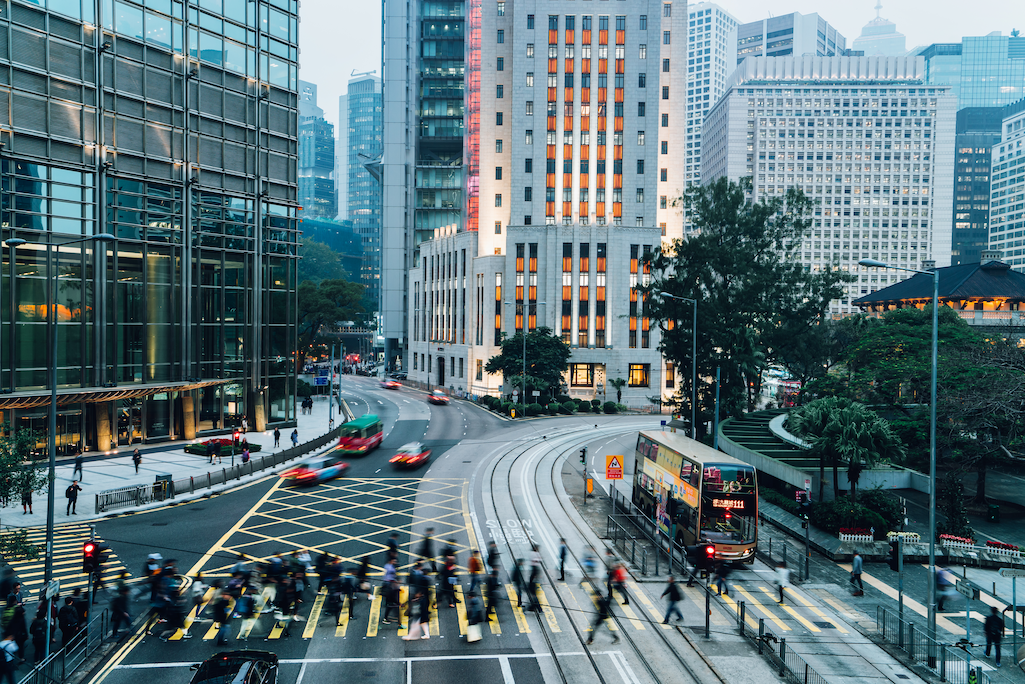
Hong Kong is a dynamic global metropolis where dense urban living meets world-class mobility. With its highly efficient and integrated public transport system, the city offers a compelling model to keep people and places seamlessly connected.
Hong Kong is a vibrant global city of 7.5 million inhabitants located at the heart of Asia. With limited land and extremely high density, mobility is a constant challenge. The city has developed a strong public transport-oriented policy. Efficient, high-capacity systems connect urban districts, new development areas, and cross-boundary regions; enabling sustainable mobility across the territory and the wider Guangdong-Hong Kong-Macao Greater Bay Area.
Public Transport System Overview
Hong Kong operates one of the world’s most efficient and reliable public transport systems, with around 90% of daily trips and more than 11 million daily passenger journeys made on public transport. The system is highly multimodal and integrated, combining metro, buses, minibuses, trams, ferries and taxis.
Railway services operated by MTR Corporation (MTR) form the backbone of the network, facilitated by franchised buses that provide extensive road-based services across the territory. Public light buses offer flexible feeder services in areas with lower demand, while trams and ferries play complementary roles in specific corridors and for harbour crossings.
Seamless connections are ensured through coordinated planning and infrastructure, as well as integrated ticketing through the widely used Octopus smart card and many other forms of contactless e-payment. This integration enables smooth transfers and convenient mobility across the network.
Hong Kong’s railway network currently spans over 270km with 99 heavy rail stations and 68 light rail stations. Upon progressive completion of the railway projects under construction and planning, the railway network of Hong Kong is expected to expand to around 390 km, forming an extensive, interconnected and resilient rail system as the backbone of mass passenger transportation, and strengthening the regional connectivity with the Chinese Mainland and the Greater Bay Area. On top of the railway network, to enhance the first-/last-mile connectivity, the city is also enhancing walking and cycling routes to ensure a truly sustainable urban mobility landscape.
Key Figures
7.5 million
Population
90%
Public transport modal share
11.7 million
Daily Journeys
271 km
Metro Network
Upcoming Public Transport Innovations
Smart and Green Mass Transit Systems
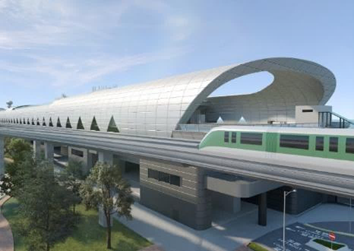
Hong Kong is introducing Smart and Green Mass Transit Systems in East Kowloon, Kai Tak and Hung Shui Kiu / Ha Tsuen New Development Area. These light, environmentally friendly systems will serve as feeder transport to major railway hubs. In short, that means improved connectivity in areas with spatial constraints such as developed areas and hilly terrains or with relatively lower transport demand, while supporting sustainable urban mobility.
Autonomous Vehicle Trials
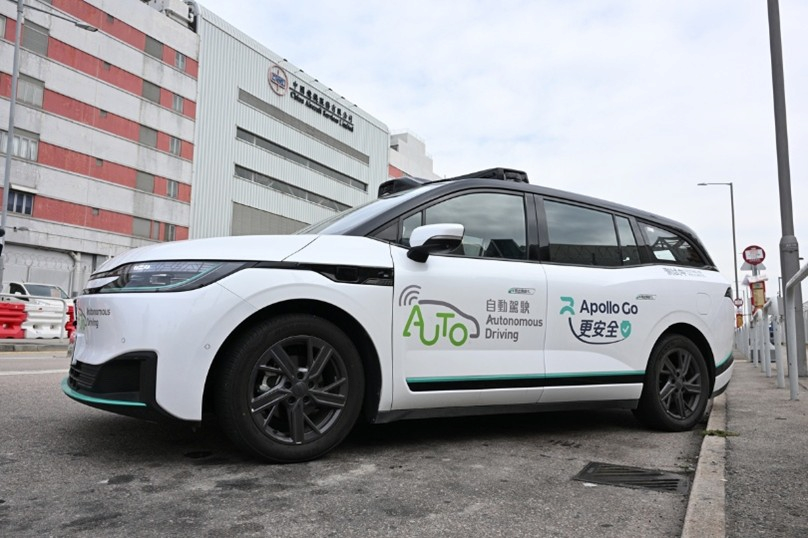
Hong Kong has launched a vital new regulatory framework for autonomous vehicles, unlocking pilot projects across the city. Right now, Hong Kong has issued six pilot licenses covering 62 autonomous vehicles operating in locations including North Lantau, the West Kowloon Cultural District, Cyberport in the Southern District, the Kai Tak Development Area in Kowloon East, the Airportcity Link and the “Park & Fly” carpark at the Hong Kong Port of the Hong Kong-Zhuhai-Macao Bridge.
HKeToll Free-Flow Tolling
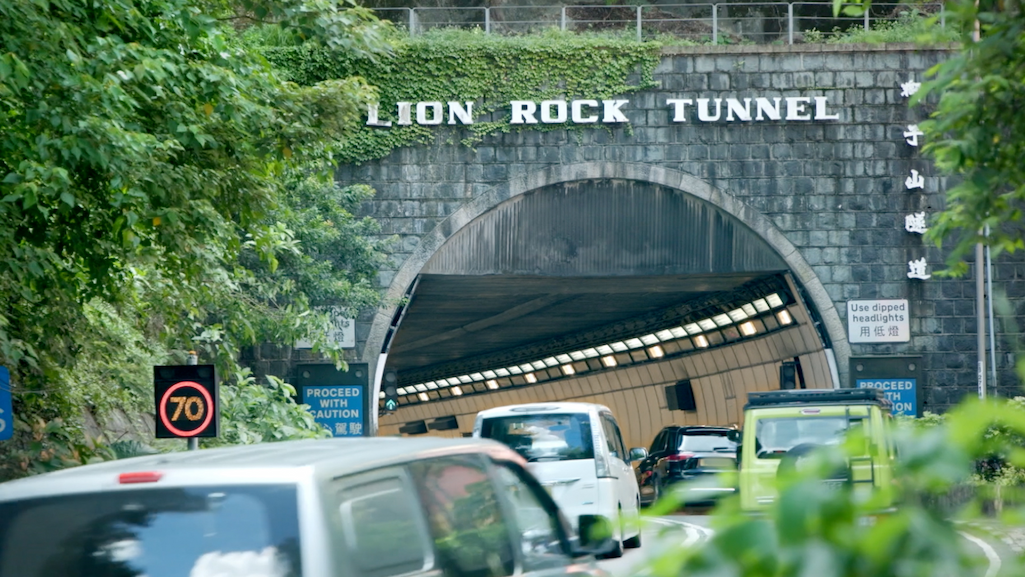
The HKeToll free-flow tolling system is a smart mobility initiative aimed at enhancing the overall efficiency of the transport system. HKeToll has been fully implemented at all government tolled tunnels, and the Tsing Sha control area. HKeToll provides a smooth driving experience by allowing drivers to pay toll remotely without having to stop or queue up at manual toll booths.
Subscribe and Stay Informed
Join our email list and be informed about the latest announcements, speaking opportunities, and tickets.